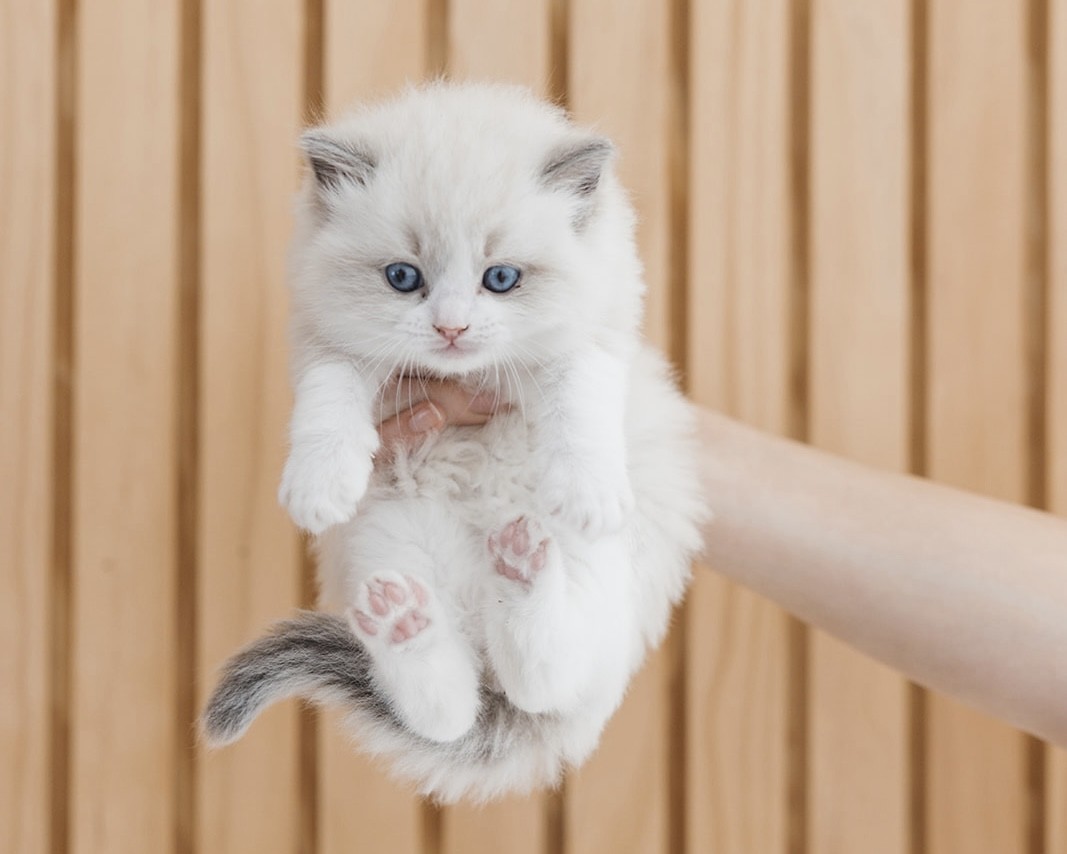
If you’ve ever noticed a Ragdoll cat going completely limp when picked up, you’re not alone. This behavior, often referred to as the "flop", is a hallmark of the breed. But why do they do it? Here’s the short answer:
- Trust and Relaxation: Ragdolls "flop" because they feel safe and secure with their owner. It’s a sign of trust and comfort.
- Biology: Their parasympathetic nervous system activates when relaxed, causing their muscles to loosen.
- Selective Breeding: This trait was intentionally developed in the 1960s to highlight their calm and docile nature.
- Hormonal Response: Positive interactions release serotonin and dopamine, deepening their sense of calm.
Not all Ragdolls exhibit this behavior to the same extent, as individual personality and mood also play a role. However, their calm demeanor and tendency to relax completely make them stand out among cat breeds, making them a favorite for families and pet lovers alike.
Does Your Cat Pass the Ragdoll Test?
Scientific and Behavioral Reasons for the Ragdoll Flop
The famous "flop" in Ragdoll cats has a biological explanation. When these cats feel secure and at ease, their bodies activate the parasympathetic nervous system, which is responsible for deep relaxation. This system allows Ragdolls to relax more fully than many other breeds, resulting in that signature limp, loose posture when held. This biological response lays the groundwork for understanding how hormones amplify their calm demeanor.
Hormonal Influences on Calmness and Trust
Hormones significantly contribute to the Ragdoll’s relaxed behavior. When a trusted caregiver holds them, their bodies release neurotransmitters that deepen their sense of calm. Simple activities like petting or gentle play increase levels of serotonin and dopamine, which are known to promote relaxation and happiness. These hormonal shifts not only enhance their peaceful nature but also strengthen the bond between the cat and its caregiver. This mutual sense of trust and comfort is why so many Ragdolls "flop" when cuddled.
Not All Ragdolls Flop: Individual Differences
While biology and hormones play a big role, individual personality also matters.
Factors like a cat’s unique temperament or even how tired they are can influence whether they "flop" during handling. Understanding these differences is key for new Ragdoll owners – it highlights that while many Ragdolls exhibit this behavior, each cat brings its own personality to the table.
Genetic Factors Behind the Ragdoll’s Behavior
The famous "flop" of the Ragdoll cat is no accident. It’s the result of selective breeding aimed at preserving kitten-like reflexes well into adulthood. These inherited traits not only define their behavior but also offer insights into the breed’s unique genetic makeup.
The Origin of Limpness in Early Ragdoll Breeding
The story of the Ragdoll’s relaxed nature traces back to 1960s Riverside, California. Ann Baker, a cat breeder, noticed something remarkable in the offspring of her white, long-haired cat, Josephine. Intrigued by their unusually calm demeanor and tendency to go limp when held, Baker began a deliberate breeding program. She carefully selected cats that exhibited these traits, focusing on creating a breed that embodied docility and a distinct physical appearance.
This effort culminated in Baker trademarking the name "Ragdoll" around 1971 and founding the International Ragdoll Cat Association (IRCA). However, not all breeders embraced the extreme limpness. Some in the United Kingdom have intentionally bred Ragdolls to reduce this trait, expressing concerns that excessive docility might not be ideal for the cats’ well-being. This shift demonstrates how breeding practices can evolve and shape a breed’s characteristics over time.
How Genetics Differentiate Ragdolls from Other Breeds
The selective breeding choices made during the Ragdoll’s early development have led to distinct genetic differences when compared to other cat breeds. While most cats lose their submissive reflex as they grow, Ragdolls retain this behavior due to their unique genetic composition. Experts believe this trait results from a combination of genetic factors rather than a single mutation. Some speculate that the "flop" might stem from a genetic mutation, while others view it as an amplified version of a kitten’s natural reflex.
Today, genetic testing in Ragdolls primarily focuses on health concerns, such as screening for Hypertrophic Cardiomyopathy. Yet, these tests also highlight the breed’s distinct genetic traits, which set them apart from other domestic cats.
The Ragdoll’s unique genetic profile, often misunderstood, reinforces just how different they are from other feline breeds.
sbb-itb-c26662c
The Ragdoll Flop as a Sign of Trust and Bonding
The Ragdoll flop isn’t just an endearing quirk – it’s a powerful display of trust. When your Ragdoll cat goes completely limp in your arms, they’re expressing that they feel safe and content with you. This relaxed state happens only with people they know and trust. Their bodies retain kitten-like reflexes, and when handled by someone they trust, hormones are released that promote calmness. While many cats tense up when picked up, Ragdolls show their deep affection and trust by fully relaxing their muscles.
The Role of Gentle Handling in Building Trust
This signature limpness becomes even more pronounced with consistent, gentle handling. Ragdolls are emotionally intuitive – they can sense when their owners are upset and often respond by offering comfort. Properly supporting their body while holding them is key; it provides physical security, which translates into emotional trust. It’s important to let this behavior happen naturally rather than trying to force it, creating an atmosphere of comfort and confidence.
Building trust with a Ragdoll involves regular positive interactions. Treats, toys, and affection help create positive associations. Spending quality time cuddling is vital, as Ragdolls thrive on human companionship. Interactive play sessions also deepen the bond. Thanks to their patient and tolerant nature, Ragdolls respond exceptionally well to gentle handling.
These interactions strengthen the unique connection Ragdolls share with their humans. Their strong need for companionship makes consistent, gentle handling essential for their emotional health, nurturing the trust that leads to their well-known relaxed behavior.
Comparison of Ragdolls with Other Cat Breeds
Ragdolls are known for their calm and trusting nature, a trait that sets them apart from other popular cat breeds. One of their most distinctive behaviors is their tendency to go completely limp when held, unlike many other breeds that remain alert or tense.
How Ragdolls Compare to Other Breeds
Ragdolls shine in comparisons of temperament and handling traits. Here’s a closer look at how they stack up against other popular cat breeds:
Breed
Response to Being Picked Up
Temperament
Energy Level
Family Suitability
Ragdoll
Relaxes completely, going limp
Docile, affectionate, placid
Low to moderate
Excellent – gentle with children
Maine Coon
Tolerates handling but stays alert
Friendly, slightly independent
Higher than Ragdolls
Good – adaptable
Siamese
Remains tense, may vocalize
Highly social, vocal, demanding
High
Good – though more attention-seeking
Maine Coons, while friendly and adaptable, tend to stay alert when held and are more independent compared to Ragdolls. Siamese cats, on the other hand, are very social and vocal but typically stay active and tense when picked up.
Why Ragdolls Are Ideal for Families
The relaxed and docile nature of Ragdolls makes them an excellent choice for families. Their ability to go limp when held, coupled with their affectionate temperament, creates a strong bond with their owners. This trust and calm demeanor make them particularly well-suited for households with children. However, their trusting nature also means very young children should handle them gently to avoid accidental harm.
Unlike high-energy breeds like Siamese or Abyssinians, Ragdolls are less likely to scratch or react aggressively when handled. They actively seek out human companionship and enjoy being cuddled, often earning nicknames like "puppy cats" or "dog-like cats" due to their affectionate and loyal behavior.
Ragdolls are also known to adapt well to multi-pet households. They get along with other pets and children, making them a great option for families with diverse household dynamics. Experts even suggest having two Ragdolls, as they thrive on companionship and can become lonely without it.
The combination of their relaxed handling response, gentle nature, and strong desire for human connection makes Ragdolls a standout choice for families. While other breeds may offer friendliness or playfulness, few can match the unique bond and trust that Ragdolls build with their owners.
Conclusion
When a Ragdoll cat goes limp in your arms, it’s not just a quirky behavior – it’s a sign of trust and a unique physiological response. This "flop" happens due to a mix of a responsive parasympathetic system, bonding hormones, and generations of selective breeding.
But there’s more to it than just biology. For owners, this behavior holds an emotional weight, symbolizing the cat’s sense of safety and the deep bond they share. It’s a touching display of connection that’s hard to overlook.
That said, not every Ragdoll will exhibit this trait to the same extent. Differences in personality and comfort levels mean that some cats may "flop" less dramatically than others.
For families looking for a gentle and affectionate pet, this relaxed response is particularly endearing. A Ragdoll’s willingness to let go and trust when held reflects their naturally calm and trusting demeanor, making them a wonderful choice for homes with children who know how to handle them with care.
FAQs
Why don’t all Ragdoll cats go limp when you pick them up?
Not every Ragdoll cat will go limp when you pick them up, even if they’re completely relaxed and trust you. While this floppy behavior is often associated with the breed, it largely comes down to genetics and isn’t something every Ragdoll will display. Some cats might have personalities that lean toward being more alert or active, even when they’re perfectly at ease.
It’s worth noting that a Ragdoll not going limp doesn’t mean they’re stressed or don’t trust you. It’s just part of their unique personality and natural behavior. These little quirks are what make your Ragdoll one of a kind, so celebrate their individuality!
How can I help my Ragdoll cat feel relaxed and display their signature ‘flop’ when held?
To encourage your Ragdoll cat to relax and exhibit their well-known ‘flop’ behavior, it’s all about creating a calm and secure environment. Always handle your cat with care – use slow, deliberate movements and support their entire body to help them feel safe. Start with brief holding sessions and gradually extend the time as they grow more at ease.
Patience is essential. Keep interactions soothing by speaking in a gentle tone and avoiding any sudden actions. By consistently handling them with care and ensuring every moment feels safe and positive, your Ragdoll will begin to associate being held with comfort and trust. Over time, this approach makes it more likely they’ll relax and ‘flop’ happily in your arms.