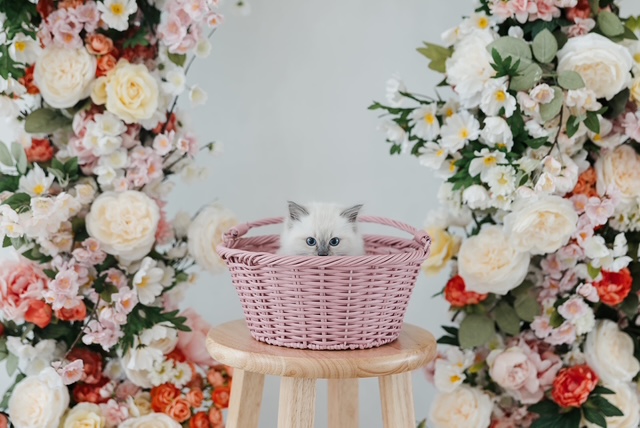
Bringing home a Ragdoll kitten? Here’s how to ensure they’re thriving. Look for these 7 key signs of health:
- Shiny, Soft Coat: A silky, glossy coat reflects good nutrition and grooming.
- Bright, Clear Eyes: Eyes should be free of cloudiness or discharge.
- Clean Ears and Nose: No odors, wax, or discharge in the ears; a clear nose free from crusts.
- Playful Energy: Healthy kittens are curious, active, and alert.
- Steady Weight Gain: Monitor growth with consistent weight checks.
- Normal Eating, Drinking, and Litter Habits: Regular meals, hydration, and proper litter box use are crucial.
- Clean Teeth and Fresh Breath: Pink gums, white teeth, and no bad breath indicate good oral health.
Regular vet check-ups and close observation of these indicators can help catch issues early. Let’s dive into how each of these signs reflects your kitten’s well-being.
1. Shiny, Soft Coat
One of the easiest ways to tell if your Ragdoll kitten is thriving is by looking at their coat. A healthy Ragdoll’s fur should feel silky and smooth when you run your fingers through it, with a natural shine that catches the light. This glossy appearance is a sign of good nutrition and overall well-being. Regular grooming not only keeps their coat looking great but also gives you a chance to check for any changes in their health.
Their fur should lie flat against their body, looking vibrant and well-maintained. If you notice their coat looking dull, brittle, or overly dry, it could point to nutritional gaps or other health concerns. Excessive shedding might also be a sign of allergies or other issues.
To keep your kitten’s coat in top shape, make brushing a routine. Brushing three times a week helps prevent matting and keeps their fur looking its best. Plus, it’s a great way to bond with your kitten and monitor their health.
"Cat baths every few months (or as needed) also help keep their coat clean and vibrant. We recommend using a gentle, moisturizing cat shampoo." – Sploot Vets
Diet plays a big role in coat health too. Feeding your kitten high-quality food rich in protein and omega-3 fatty acids supports strong, shiny fur. A proper diet ensures they develop the signature glossy coat that Ragdolls are known for.
Lastly, always keep an eye out for sudden changes in your kitten’s coat condition. If their fur starts to lose its luster or changes texture, it’s a good idea to consult your veterinarian. Often, a kitten’s coat is a mirror of their overall health.
2. Bright, Clear Eyes
Your Ragdoll kitten’s eyes can tell you a lot about their health. They should look bright and clear, with no signs of cloudiness or discharge. If you notice any dirt or tear stains around their eyes, gently clean the area using a soft, damp cloth. Keeping an eye on this small detail is an easy way to help ensure your kitten stays healthy and comfortable.
3. Clean Ears and Nose
Keeping an eye on your Ragdoll kitten’s ears and nose is an important part of monitoring their health. Healthy ears should be clean, odor-free, and free of wax or discharge. Similarly, their nose should be clear, with no crusty buildup or discharge around the nostrils. Watch out for signs like head shaking, ear scratching, or unusual discharge, as these could signal potential problems.
Ragdolls have tufted ears, which can easily trap dirt, moisture, and excess wax – factors that might lead to infections if not addressed. To prevent such issues, make it a habit to check and clean their ears regularly using a vet-approved cleaner. Routine parasite prevention also helps reduce the risk of infections. Be alert to any unusual smells, as they can point to untreated allergies that may cause excessive earwax buildup and increase the chance of infection.
If you notice redness, swelling, crusty skin, or strong odors in their ears, or if your kitten has persistent nasal discharge, it’s time to consult your vet. These signs, combined with other physical symptoms, offer valuable insights into your kitten’s overall health.
4. Playful Energy and Alertness
Your kitten’s behavior can tell you a lot about their health. A healthy Ragdoll kitten is active and curious, even though this breed is naturally more laid-back compared to others. You’ll notice bursts of playful energy and sharp mental alertness throughout the day.
Ragdoll kittens often enjoy chasing lasers or batting at toy mice. They’re quick to respond to sounds and movements, showcasing the intelligence that this breed is known for.
"Playtime and exercise should be fun and fulfilling for your Ragdoll cat. It helps strengthen your bond, while stimulating their senses".
– Dr. Jane Miller, BSc, BVSc (hons)
Ragdolls take their time maturing – both physically and mentally – until around age 4. This extended kittenhood means they hold onto their playful nature longer than many other breeds.
A healthy Ragdoll kitten typically alternates between short bursts of energetic play and longer rest periods. During playtime, they remain alert, curious, and engaged, especially with interactive toys. Their intelligence shines through as they often learn simple tricks or respond well to training with treats and praise.
It’s important to keep an eye on any sudden changes in behavior. Lethargy – characterized by a noticeable drop in activity and alertness – is a red flag. If your usually playful kitten seems withdrawn, avoids their favorite games, or appears unusually tired even after resting, it could indicate a health issue that needs attention from a veterinarian.
5. Steady, Healthy Weight
Your kitten’s weight is not just a number – it’s a tangible marker of overall health and development. For Ragdoll kittens, maintaining a steady, healthy weight is as vital as a glossy coat or bright, alert eyes. It reflects balanced nutrition and attentive care.
Ragdolls grow at a slower pace compared to many other breeds, often continuing to mature until about 4 years old. Their weight milestones depend on factors like genetics, gender, diet, and activity levels. At birth, a Ragdoll kitten typically weighs between 3 to 4 ounces (85 to 115 grams). By 12 weeks, they generally reach 2 to 3 pounds (900 grams to 1.4 kilograms).
Age
Expected Weight
1 month
0.7 lbs (0.3 kg)
2 months
1.5 lbs (0.7 kg)
3 months
3.1 lbs (1.4 kg)
4 months
4.0 lbs (1.8 kg)
5 months
5.1 lbs (2.3 kg)
6 months
6.0 lbs (2.7 kg)
8 months
7.1 lbs (3.2 kg)
12 months
7.9 lbs (3.6 kg)
Since growth happens in spurts, weekly weigh-ins are a great way to monitor progress. Instead of fixating on exact numbers, focus on consistent, gradual gains.
You can also evaluate your kitten’s body condition through touch and observation. When you gently run your fingers along their ribcage, you should feel the ribs under a light layer of fat. Looking down from above, a healthy kitten will have a slight waist behind the ribs. From the side, you should see a gentle upward slope from the ribcage to the hind legs.
Watch for warning signs: if the ribs are hard to feel due to excess fat, your kitten may be overweight. Conversely, if the ribs feel sharp and there’s little fat, or if their body lacks a defined waist or appears overly narrow, they could be underweight.
To support healthy growth, aim to provide about 40–42 calories per kilogram of body weight daily. Divide this into 4–6 small meals, combining high-quality, grain-free dry food with wet food twice a day. If your kitten is underweight, increase their intake to 50–60 calories per kilogram daily. Prioritize lean protein sources and avoid foods with excessive fat. For reference, a standard 2.5–3 ounce (70–85g) can of wet food typically contains 80–120 calories.
Regularly monitoring your kitten’s weight and body condition is an essential part of ensuring they grow up healthy and strong. Pair this with other routine health checks to keep your furry friend thriving.
sbb-itb-c26662c
6. Normal Eating, Drinking, and Litter Habits
Just like a shiny coat and playful energy are signs of good health, steady eating, drinking, and litter box habits are just as telling.
A kitten’s daily routines – how they eat, drink, and use the litter box – can give you valuable insight into their digestive health. These habits often serve as early indicators of potential health issues.
Feeding Schedule and Portions
During their first 8-12 weeks, your Ragdoll kitten should be eating four meals a day, with each meal consisting of about 1/4 to 1/3 cup of wet food. Between 3-6 months, reduce this to three meals daily, combining wet and dry food (1/3 to 1/2 cup per meal). By the time they’re 6-12 months old, you can transition to 2-3 meals per day, focusing mostly on dry food with some wet food mixed in.
Age Group
Meals per Day
Portion Size
Meal Type
8-12 weeks
4 meals/day
1/4 to 1/3 cup/meal
Wet Food
3-6 months
3 meals/day
1/3 to 1/2 cup/meal
Wet and Dry Food Mix
6-12 months
2-3 meals/day
1/2 to 3/4 cup/meal
Dry Food (with some Wet)
Because their digestive systems are small, it’s best to divide their daily food intake into 4–6 smaller meals. Wet food should be offered at least twice a day to help with hydration, and you can even add a little extra water for additional moisture.
Hydration Matters
Hydration is just as important as proper feeding. On average, Ragdoll kittens need about 60 milliliters of water per kilogram of body weight daily. Fresh water is essential, so replace their water bowl every day. Many Ragdolls enjoy drinking from moving water, so consider investing in a pet fountain. Also, stick to stainless steel or ceramic bowls, as plastic ones can harbor bacteria or cause skin issues like chin acne.
If your kitten loses their appetite or drinks less water on the first day in a new home, don’t panic – it’s normal. To encourage eating, try offering slightly warmed wet food a few hours after their arrival. If they’re hesitant to drink, offering a treat can sometimes help them stay hydrated.
Litter Box Habits
Healthy litter box use is another key indicator of your kitten’s well-being. A healthy Ragdoll kitten will use the litter box multiple times a day for both urination and bowel movements. Their waste should be well-formed, of normal color, and free of blood or unusual odors.
To maintain good hygiene, scoop the litter box at least once daily – twice is even better. Wash the litter box and replace the litter every two weeks. For kittens younger than 9 weeks, use non-clumping litter to avoid ingestion issues. Once they’re over 9 weeks old, you can switch to clumping litter.
Warning Signs to Watch For
Pay attention to any changes in their habits. If your kitten suddenly stops eating, drinks much more or less water than usual, or starts avoiding the litter box, straining, or producing unusual waste, these could be signs of a health issue that requires a vet’s attention.
Make sure litter boxes are easily accessible, especially in multi-level homes – having one on each floor is a good idea. Place the boxes in quiet, private areas away from loud noises. A clean, well-placed litter box encourages consistent use and helps you monitor their health more effectively.
Steady eating, drinking, and litter box habits are not only signs of a healthy kitten but also help you recognize when it’s time to consult your veterinarian.
7. Clean Teeth and Fresh Breath
Your kitten’s mouth is a window into their overall health. Clean teeth and fresh breath are strong signs that your kitten is thriving and free from dental problems.
What Healthy Kitten Teeth Look Like
For a Ragdoll kitten, healthy teeth should be clean and white. Their gums should have a pink, firm appearance – not red, swollen, or bleeding.
As Dr. Eric Davis explains, "A healthy cat’s breath should not be offensive". While kittens might have a slight odor to their breath, it shouldn’t be unpleasant. Persistent bad breath (halitosis) can signal early dental issues [35,36].
Early Signs of Dental Issues
Keep an eye out for symptoms like red or swollen gums, excessive drooling, blood in saliva, pawing at the face, or head shaking. Reluctance to eat hard food may also indicate oral discomfort [35,36]. If your kitten starts preferring soft food, drops food while eating, or chews on just one side of their mouth, it’s time to investigate further [34,36].
Starting Dental Care Early
The key to maintaining your kitten’s oral health is starting dental care early. Introduce tooth brushing as soon as possible to help them adjust to the process. Use a soft-bristled pet toothbrush along with cat-specific toothpaste – never human toothpaste. To make it a positive experience, reward your kitten with treats or playtime after brushing.
Supporting Oral Health Through Diet
Diet plays a crucial role in keeping your kitten’s teeth clean. High-quality dry food can help reduce plaque and tartar buildup through the natural chewing process. Dental treats approved by the Veterinary Oral Health Council (VOHC) are another great addition to your kitten’s routine. Always provide fresh water, as proper hydration supports oral health. Some owners also use water additives designed for dental care, but brushing remains the most effective method.
Professional Dental Care
Regular check-ups with your veterinarian are essential for catching dental problems early. Studies show that 50–90% of cats over the age of three develop some form of dental disease [34,35]. Early prevention can save your kitten from discomfort and more invasive treatments later on.
"Early detection can stop the progression of periodontal disease, which is harder to treat the more severe it becomes."
How to Check Your Kitten’s Health at Home
Keeping an eye on your kitten’s health at home can help you spot potential issues early. Regular monthly checks not only catch hidden illnesses but also help you get familiar with what’s normal for your kitten, making it easier to notice changes. These simple routines can complement the more detailed observations discussed earlier.
Setting Up Your Health Check Routine
Choose a time when your kitten is calm and relaxed. Start with a gentle once-over to get a sense of their usual condition. Regular handling helps you pick up on anything unusual and makes your kitten more comfortable with being examined – something that’s especially helpful during vet visits.
Examining the Coat and Skin
Run your hands gently through your kitten’s fur. Healthy fur should feel soft, look shiny, and be evenly distributed. Watch for signs like dryness, brittleness, hair loss, greasiness, or changes in color or texture.
Part the fur in a few spots to check the skin underneath. Look for redness, scabs, wounds, bumps, lumps, flaking, or signs of fleas and ticks. If you suspect fleas, try using a flea comb along your kitten’s back to check for flea dirt.
Pay attention to your kitten’s grooming behavior too. Cats that aren’t feeling well often groom less, which can lead to a messy or greasy coat, mats of fur, or more dandruff than usual – all signs worth noting.
Checking Eyes and Ears
Your kitten’s eyes should be clear, bright, and free from unusual discharge. Their ears should look clean, have a light pink color, and be odor-free. Dark wax in the ears could be a sign of mites. The ear flaps should feel smooth and be uniform in thickness, with no signs of redness, swelling, scabbing, or bleeding.
Monitoring Weight and Growth
Weigh your kitten every week to track their growth. Any sudden changes – whether it’s weight loss or gain – can be a sign of an underlying health issue.
Tracking Bathroom Habits
Your kitten’s litter box habits can reveal a lot about their digestive health. Typically, they should urinate at least once and have one to two bowel movements each day. Pay attention to any changes in frequency, consistency, or odor, as these could indicate problems.
Also, observe how your kitten behaves in the litter box. Straining or signs of discomfort might point to issues like urinary tract problems, constipation, or blockages. If your kitten starts going outside the litter box, it could be another warning sign to take seriously.
Red Flags That Need Immediate Attention
Certain changes should prompt a quick call to your vet. These include:
- Not eating for more than 24 hours
- Difficulty breathing
- Straining in the litter box
- Any unusual eye changes
Other warning signs include changes in your kitten’s energy level, sociability, appetite, or coat condition. Trust your instincts – if something feels off, it’s better to act sooner rather than later.
Lastly, keeping the litter box clean is crucial. Scoop it daily and replace the litter entirely at least once a month. This not only ensures a healthy environment but also helps you spot any changes in your kitten’s habits more easily.
When to Call Your Vet
Keeping an eye on your kitten’s health at home is important, but sometimes, professional care is needed right away. Cats are experts at hiding when they’re not feeling well, so it’s essential to recognize signs that require immediate veterinary attention.
Signs That Need Urgent Veterinary Care
Some symptoms simply can’t wait. Difficulty breathing, severe coughing, or choking are emergencies that demand immediate action. Breathing issues can escalate quickly and become life-threatening without prompt treatment.
Another red flag is straining to urinate, especially in male cats. If your kitten is making frequent trips to the litter box but producing little or no urine – or seems to be in pain while trying – contact your vet immediately. This could indicate a serious blockage.
Pay attention to severe pain or distress. Signs like sudden collapse, inability to stand, or unusual behavior such as hiding, excessive crying, or aggression when touched can signal a serious problem.
Trauma from accidents, like falls or being hit by a car, also requires urgent care. Internal injuries aren’t always obvious, so even if your kitten seems fine, a vet should evaluate them.
If your kitten ingests something toxic, don’t wait – call your vet or an emergency clinic right away. Similarly, seizures, especially prolonged or repeated ones, are emergencies that need immediate medical attention.
Lastly, watch for eye problems. Sudden changes in appearance, excessive tearing, or squinting can indicate an issue that requires prompt care. Eye conditions can worsen quickly, so don’t delay.
"Regular vet visits are so important because they allow you to work collaboratively with your veterinarian to ensure that your cat is healthy. A thorough history in combination with a complete physical exam are invaluable in preventing, catching, or treating any issues that your cat may have." – Laria Herod, DVM
Routine Preventive Care Matters
Emergencies aside, regular check-ups are critical for your kitten’s overall health. Kittens should see a vet for the first time at 6–8 weeks old, with follow-ups every 3–4 weeks until they’re 16–20 weeks old. Additional visits at 6 months and 1 year help ensure they’re growing and developing properly. These appointments are also when your vet administers vaccinations, checks for parasites, and monitors overall health – all of which can catch issues early and improve treatment outcomes.
Be Ready for Emergencies
Preparation goes a long way in emergencies. Keep your vet’s phone number and the nearest emergency clinic’s contact info handy – stick it on the fridge or save it in your phone. Learning basic pet first aid, like controlling bleeding or performing CPR, can also make a difference. If you’re ever unsure whether something is an emergency, call your vet for advice. Most clinics have after-hours options or can guide you to emergency services. When it comes to your kitten’s health, it’s always better to be cautious.
Conclusion
Keep an eye on these seven key indicators of your Ragdoll kitten’s health: a shiny coat, bright eyes, clean ears and nose, playful energy, steady weight, normal habits, and clean teeth. These signs serve as a quick health checklist to ensure your furry friend is thriving.
Regular veterinary check-ups are essential for catching potential health issues early. As the Tuder Veterinary Group points out, "Early detection can make treatment more effective and less expensive and significantly improve your cat’s prognosis". These visits also provide vaccinations, dental care, and overall health assessments, helping to prevent serious conditions like obesity, diabetes, and heart disease.
Unfortunately, many cat owners neglect routine vet visits. On average, cats only see the vet 1.1 times per year, compared to dogs’ 2.3 visits. Don’t let your Ragdoll fall into this category.
As Catster wisely advises, "Prevention is always better than cure, and early intervention leads to much more favorable outcomes". Schedule yearly check-ups for adult Ragdolls, and once they reach 7 years old, consider switching to bi-annual visits. Between these appointments, maintain their health by brushing their teeth, monitoring their weight, and keeping them active with regular playtime.
If you notice any changes in your kitten’s behavior, appetite, or appearance, reach out to your veterinarian right away. By staying attentive to these health markers and committing to regular veterinary care, you’re giving your Ragdoll kitten the best chance at a long, happy, and healthy life.
FAQs
What can I do if my Ragdoll kitten’s coat looks dull or rough?
If your Ragdoll kitten’s fur feels rough or looks dull, it’s time to take a closer look at grooming, diet, and hydration. Regular brushing is a great place to start – it helps distribute their natural oils, leaving their coat soft and shiny. Try to brush your kitten a few times a week to remove loose hair and prevent mats from forming.
Next, make sure their diet is up to par. A nutrient-rich, high-quality food that includes omega-3 and omega-6 fatty acids can do wonders for their skin and coat health. Don’t forget about water – keeping your kitten well-hydrated is just as important for their overall well-being as it is for maintaining a healthy coat.
If you’ve covered all these bases and their coat still seems off, it’s worth reaching out to your vet. They can rule out or address any underlying issues like allergies, skin problems, or nutritional gaps that might be affecting your kitten’s fur.
What can I do to help my Ragdoll kitten drink more water if they seem dehydrated?
If your Ragdoll kitten isn’t drinking enough water, there are a few easy ways to encourage them to stay hydrated. Start by placing several bowls of fresh, clean water around your home. Make sure these bowls are in quiet spots, away from their food and litter box, as cats can be particular about where they drink.
Many cats are drawn to running water, so investing in a pet water fountain might make drinking more enticing. Another trick is to mix a little low-sodium chicken broth into their water to add flavor. You can also include wet food in their diet since it naturally contains more moisture than dry kibble.
Keep an eye on how much water they’re drinking. If you notice signs of dehydration or if their water intake doesn’t improve, it’s a good idea to check in with your veterinarian to rule out any health issues.