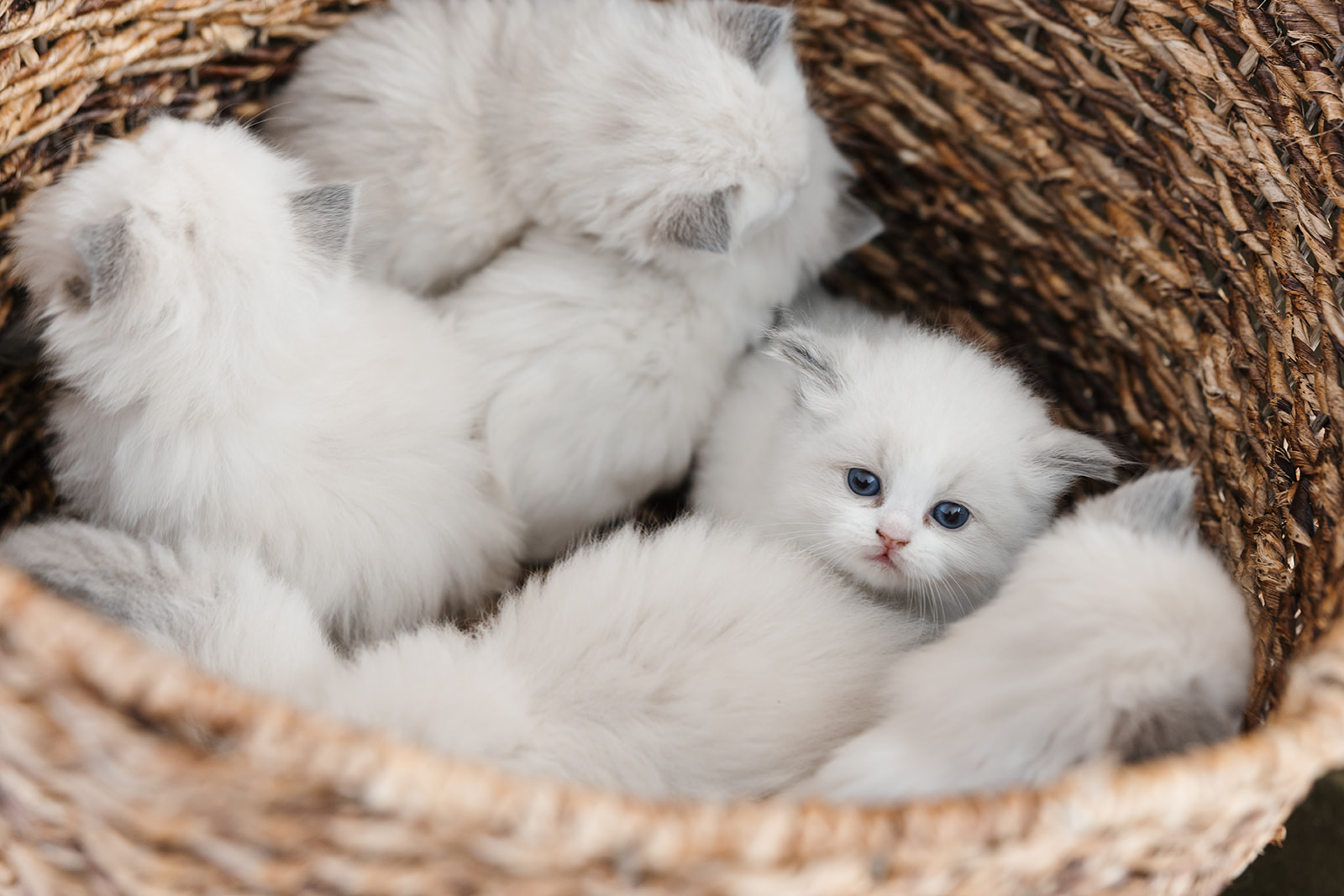
Yes, Ragdoll cats can get along with dogs. Their calm, social, and tolerant nature makes them a good choice for homes with dogs. However, success depends on factors like the pets’ personalities, energy levels, age, and past experiences. Here’s what you need to know:
- Temperament: Ragdolls are gentle, affectionate, and often described as "dog-like" due to their loyalty and love for companionship.
- Behavior: They avoid aggression and prefer calm environments, making them more likely to coexist peacefully with dogs.
- Compatibility: Energy levels and personality matching are critical. A calm dog pairs better with a Ragdoll than an overly energetic one.
- Introduction: Gradual introductions, starting with scent swapping and supervised meetings, are key to building trust.
- Safety: Always supervise interactions, especially with large or excitable dogs, to prevent accidental harm.
With patience and proper introductions, Ragdolls and dogs can form strong bonds and thrive together in a multi-pet home.
Mama Cat Shares Kittens With Senior Dog
/
Ragdoll Cat Social Behavior
Ragdoll cats are known for their calm demeanor and affectionate nature, which makes introducing them to dogs easier and helps maintain a peaceful household. Let’s take a closer look at the unique behaviors that make them resemble dogs.
Why Ragdolls Act Like Dogs
Ragdolls often display traits that are surprisingly similar to dogs. They form strong bonds with their families, enjoy following their favorite humans from room to room, and greet them warmly. These cats also thrive on interactive play and respond well to positive reinforcement, making them open to social interactions with both people and other pets.
Ragdolls Are Calm and Social
While their dog-like behaviors are endearing, Ragdolls are naturally calm and well-balanced. This calm temperament helps them adapt to different energy levels in multi-pet households. If they feel overstimulated or overwhelmed, they’re more likely to seek out a quiet spot to relax rather than react aggressively.
In homes with dogs, Ragdolls are often seen enjoying peaceful, relaxed moments together with their canine friends. Their soft, measured vocalizations help ease the transition when new pets are introduced. Additionally, Ragdolls have an innate ability to adjust their activity levels to match the household’s vibe, making them excellent companions for fostering harmony among pets. These qualities make them a great fit for homes with dogs.
What Affects Ragdoll-Dog Relationships
Ragdolls are naturally social cats, but several factors play a role in how well they bond with dogs. Knowing these elements can help you create a safe and comfortable environment where both pets can coexist happily.
Energy Levels and Personality Match
Finding the right energy balance between your Ragdoll and dog is key. Ragdolls typically have low-to-moderate activity levels, which makes them a good match for dogs with similar temperaments.
For instance, pairing a calm Ragdoll with an overly energetic dog might lead to rough play. To avoid this, make sure your dog gets enough exercise beforehand and teach commands like "leave it" or "gentle" to manage interactions. Ragdolls’ gentle play style works well with dogs that can mirror their calm demeanor.
Until you’re confident in their interactions, avoid leaving an excitable dog alone with your Ragdoll. Differences in age and size also need careful consideration to ensure safety.
Age and Size Differences
Age and size disparities can create challenges. Puppies or highly energetic dogs may overwhelm an older or more fragile Ragdoll, while large dogs might unintentionally cause injury simply due to their size.
This highlights the importance of supervision, especially when there’s a noticeable difference in size or age. Ragdolls are known for their trusting nature, which can make them less aware of potential dangers during rough play or risky situations.
Previous Experience with Other Pets
A pet’s history with other animals can also shape their compatibility. Early positive exposure to friendly dogs – ideally when Ragdolls are between 2–7 weeks old – can lay the groundwork for harmonious relationships.
Research shows that while dogs often try to initiate play with cats, only cats with prior positive experiences tend to respond playfully. Cats without such exposure might react passively or even fearfully.
Rescue cats can add another layer of complexity. Trauma or a lack of early socialization may make introductions more challenging, requiring extra patience or even professional help.
sbb-itb-c26662c
How to Introduce Your Ragdoll to a Dog
Introducing a Ragdoll cat to a dog requires patience and a step-by-step approach. Start by setting up separate, quiet spaces for each pet, ensuring they have their own essentials like bedding, food, and water. This helps minimize territorial behavior and creates a sense of security for both animals.
Begin by letting them get used to each other’s scent before any face-to-face meetings. Swap items like bedding or toys between your Ragdoll and dog, or feed them on opposite sides of a closed door. This simple step helps reduce anxiety by making the scent of the other pet familiar.
"You only have one chance to make a good first impression!" – Jackson Galaxy
Start Meetings in Neutral Areas
Once both pets are comfortable with each other’s scent, it’s time for visual introductions. Choose a neutral area for this step – avoid spaces your dog associates with eating, sleeping, or playing, as these might trigger protective instincts.
Use a barrier like a baby gate or screen door to allow them to see each other without direct contact. Pay close attention to their body language. Signs like flattened ears, hissing, or excessive panting are indicators to slow down the process.
For safety, keep your dog on a leash during these initial meetings. This ensures you can control sudden movements that might scare your Ragdoll. Let your cat approach on its own terms – never force interaction or carry your Ragdoll toward the dog. While Ragdolls are generally calm and adaptable, every animal has its own personality and comfort level.
Increase Interaction Time Slowly
If the first visual meetings go smoothly, gradually increase the amount of time they spend together. Start with short sessions and always supervise closely.
"A slow and careful introduction process sets everyone up for success." – PetMD
Make sure your Ragdoll has access to escape routes and elevated spots like cat trees or shelves. These high perches allow your cat to observe the dog from a safe distance, which can help reduce stress.
Look for signs of progress, such as relaxed body language, curiosity, or playful behavior. If either pet shows signs of fear or aggression, slow things down. In some cases, consulting a professional trainer or behaviorist may be helpful. When both animals are calm and comfortable around each other, reward this behavior to reinforce positive interactions.
Reward Good Behavior
Positive reinforcement is key to building trust between your Ragdoll and dog. Keep some high-value treats on hand during introductions to reward friendly, calm behavior from both pets.
"Positive reinforcement training means rewarding your pet as soon as they do something you like, reinforcing the behavior." – The Oregon Humane Society
Encourage your dog to remain calm and follow commands like "sit", "stay", or "gentle" when near your Ragdoll. Similarly, reward your cat for showing curiosity or staying calm. Timing is everything – offer treats immediately when you notice the behavior you want to encourage.
You can also create positive associations by offering special treats or meals when both pets are in the same room. Some pet owners find it helpful to feed their animals on opposite sides of a baby gate, gradually moving the bowls closer as their comfort grows.
Stick to consistent routines to make the transition smoother. Even after successful introductions, continue monitoring their interactions. While some pets may form a bond within weeks, others might need months. Respect their individual timelines and avoid rushing the process.
Keeping Peace in Multi-Pet Homes
Maintaining a peaceful relationship between your Ragdoll cat and your dog takes ongoing effort. Beyond their initial introductions, focusing on shared activities and keeping both pets engaged can help ensure a harmonious household. Daily enrichment activities are key to reinforcing their bond and promoting coexistence.
Provide Activities for Both Pets
Keep your Ragdoll mentally stimulated with interactive toys like puzzle feeders or treat-dispensing balls. These not only entertain but also help manage their energy levels. For your dog, make sure they get plenty of exercise, as a well-exercised dog is less likely to engage in behaviors like chasing the cat, which can disrupt the peace.
Supervised play sessions are a great way to build trust between your pets. Start gradually and ensure the interactions are positive to minimize any territorial tendencies. If your dog becomes overly focused on the cat, redirect their attention with a favorite toy or treat to create positive associations.
Another helpful tip: slowly move their feeding areas closer over time. This can encourage positive shared experiences, reinforcing their bond. With regular joint activities and a bit of patience, you can create a lasting sense of harmony in your multi-pet home.
Conclusion: Creating a Peaceful Multi-Pet Home
Ragdolls are known for their calm demeanor and ability to bond deeply, making them a great match for dogs. However, every pet relationship is unique, influenced by factors like energy levels, age, and past experiences. These differences can sometimes shape how pets interact, especially if their temperaments or activity levels don’t align.
To help your pets form a strong connection, introductions should be carefully planned. Start in neutral spaces, gradually increase their time together, and reward calm, positive behavior. A thoughtful introduction lays the foundation for a lasting bond.
For long-term harmony, it’s essential to stay attuned to each pet’s needs. If conflicts arise, address signs of fear or aggression immediately. Consulting a professional animal behaviorist can help, and creating separate spaces where pets can retreat offers them a sense of security. If your dog gets overly excited during play, teaching commands like "leave it" and ensuring your Ragdoll has access to elevated spots for a quick getaway can help maintain peace.
Preventing jealousy is another key to success. Keep feeding areas separate, provide individual toys, and make sure both pets get equal attention. This approach helps create a balanced environment where neither feels left out.
With time, patience, and consistency, your Ragdoll and dog can build a harmonious relationship that enhances their lives – and yours. A peaceful multi-pet home is absolutely achievable with the right care and effort.
FAQs
How can I successfully introduce a Ragdoll cat to a dog?
To help your Ragdoll cat and dog live peacefully together, start by giving each pet their own separate space. This helps them feel secure and reduces the chance of territorial disputes. Before they meet, try swapping items like their bedding or toys to let them get familiar with each other’s scent.
When you’re ready for introductions, begin with a visual meeting. Use a baby gate or keep a door slightly open so they can see each other without direct contact. Pay attention to any signs of stress from either pet. For their first face-to-face encounter, keep the dog on a leash and allow the cat to approach when it feels comfortable. Gradually increase their time together while supervising closely, and always make sure the cat has a safe place to retreat if needed. With patience and positive reinforcement, you can help them build a peaceful and friendly bond.
How can I tell if my Ragdoll cat and dog will get along based on their personalities and energy levels?
To determine if your Ragdoll cat and dog will get along, pay close attention to their temperaments and energy levels. Ragdolls are known for their calm, friendly, and social nature, often being called "dog-like" because of their affectionate and playful behavior. A well-behaved, gentle dog with a relaxed attitude is more likely to form a bond with a Ragdoll.
Matching their energy levels is just as important. For instance, a highly energetic dog might overwhelm a mellow or older Ragdoll. Take the time to observe how both pets behave and introduce them gradually in a controlled and positive setting. This approach can help create a peaceful and happy relationship between your furry companions.
How can I help my Ragdoll cat feel more comfortable around my dog?
If your Ragdoll cat appears uneasy or frightened around your dog, it’s essential to address their discomfort thoughtfully. Begin by setting up dedicated safe zones for each pet – spaces where they can retreat and feel secure without any disturbances. Once they’re comfortable, you can slowly reintroduce them in a calm, controlled setting. Use positive reinforcement, such as treats or gentle praise, to reward calm and friendly interactions.
Should the tension linger, reaching out to a professional animal behaviorist might be a wise move. They can offer personalized guidance tailored to your pets’ needs. Building trust takes time, so stay patient and consistent to create a harmonious environment for everyone.