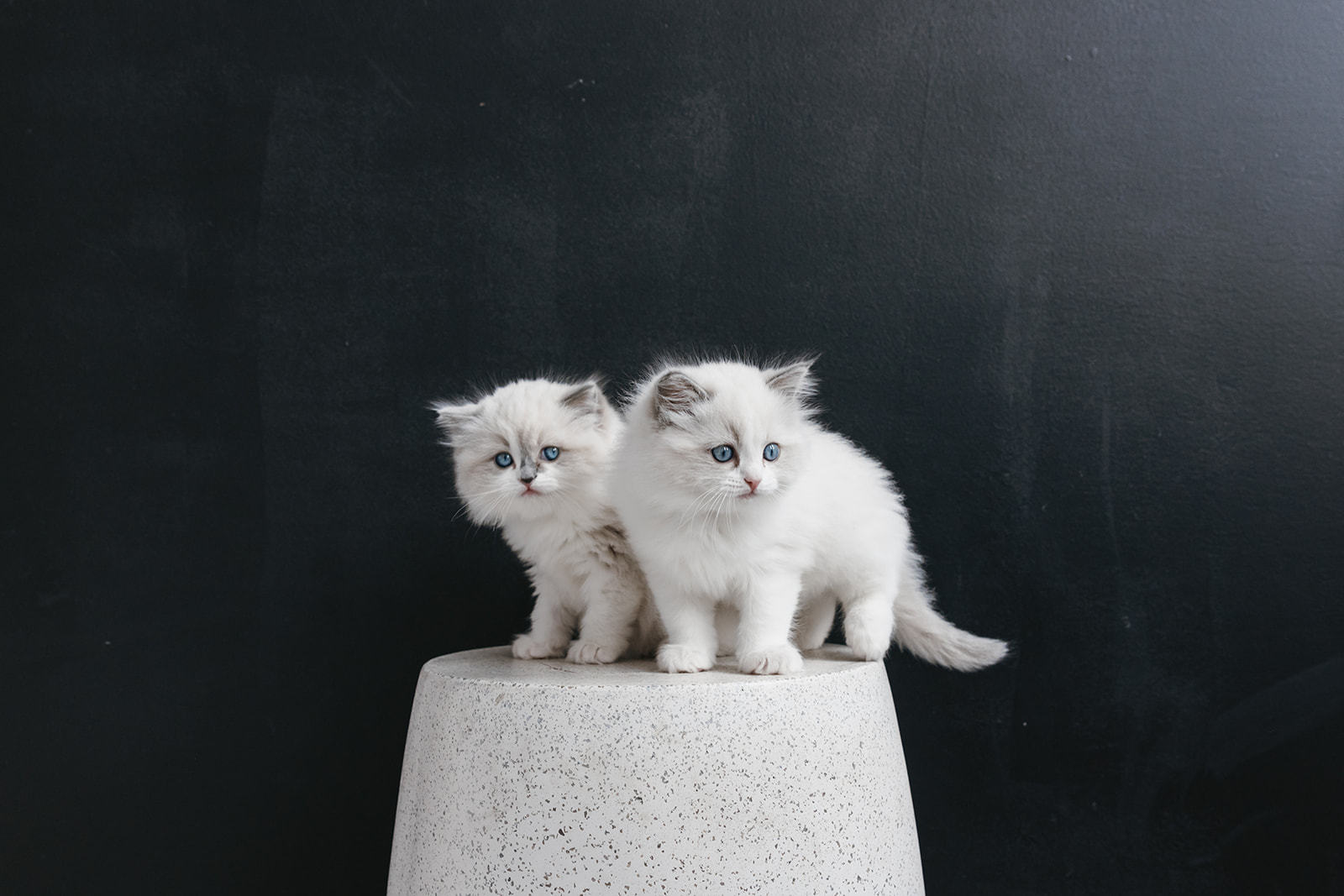
Bringing home a Ragdoll kitten? The first 30 days are all about helping them settle in and thrive. Here’s a quick guide to ensure a smooth transition:
- Create a Safe Space: Set up a quiet room with essentials like food, water, a litter box, and a cozy bed.
- Kitten-Proof Your Home: Secure cords, remove toxic plants, and keep harmful items out of reach.
- Litter Box Training: Use a spacious, low-sided box with non-clumping litter. Place it in a quiet, accessible spot.
- Health Checks: Schedule a vet visit within 72 hours for a general check-up.
- Build Trust: Handle gently, play interactively, and reward positive behavior to strengthen your bond.
Focus on consistent routines, a calm environment, and proper care to set the foundation for a happy, healthy companion.
Preparing Your Home for Your Ragdoll Kitten
Getting your home ready for a Ragdoll kitten ensures they settle in smoothly. Known for being one of the largest domestic cat breeds, Ragdolls require accessories that can accommodate their size as they grow. A thoughtful setup and safety precautions will help your kitten feel at ease from the moment they arrive.
Setting Up Your Kitten’s First Room
Your new kitten will need a designated safe space to adjust to their surroundings gradually. This should be a quiet, controlled environment where noise and activity are kept to a minimum. A spare bedroom, bathroom, or even a large pantry can work well, as long as it’s free from overwhelming stimuli.
Here’s what to include in their first room:
- Food and water stations: Use stainless steel or ceramic bowls, and place them far from the litter box to maintain cleanliness.
- Litter boxes: Since Ragdolls grow to be quite large, start with a spacious litter box.
- Scratching post or cat tree: Choose a sturdy, carpet-covered scratching post or cat tree for durability and easy cleaning.
- Comfortable bedding: You can use a soft blanket or even a cardboard box lined with a blanket.
- Simple toys: Items like small mouse toys or a plain cardboard box encourage natural play without overwhelming your kitten.
Make sure the room has a secure door to keep your kitten safe. Spend time with them regularly to help them feel welcomed, but limit introductions to other pets until they’ve fully adjusted. Once this initial space is set up, you can begin extending safety measures to the rest of your home.
Making Your Home Safe for Kittens
Kitten-proofing your home is essential to avoid accidents and keep your kitten out of harm’s way. Dr. Caroline Wilde, a veterinarian at Trupanion, emphasizes:
"Kitten proofing is getting all items that a kitten might want to scratch, eat, or destroy out of reach. It’s ensuring that their home environment is a safe place."
Start by addressing common hazards:
- Secure strings, shoelaces, and curtain cords to eliminate strangulation risks.
- Remove toxic plants like lilies, azaleas, and poinsettias to prevent accidental poisoning.
- Store household chemicals, medications, and cleaning supplies in locked cabinets. When cleaning, choose pet-safe options like white vinegar or baking soda.
- Protect electrical cords by tucking them behind furniture or using cord protectors.
- Keep toilet seats closed, and always check washing machines and dryers before use.
- Block small hiding spots by moving furniture against walls and securing cabinets with child-proof locks. Keep closet and exterior doors closed as well.
- Remove fragile items such as glassware or decorative objects, and deter scratching on furniture with double-sided tape while providing scratching alternatives.
Keeping the Right Temperature
Ragdoll kittens are particularly sensitive to temperature changes, so maintaining a stable indoor environment is key. Aim to keep your home between 68–75°F, as young kittens can struggle to regulate their body temperature. Provide warm, soft bedding in an area free from drafts, heating vents, or air conditioning units. During seasonal changes, watch for signs of discomfort – like panting if they’re too warm or shivering if they’re cold – and adjust the thermostat as needed.
Creating a safe and comfortable environment sets the stage for building routines in feeding, care, and training, ensuring your Ragdoll kitten feels right at home.
Litter Box Setup and Training
Once you’ve established routines for feeding and general care, the next step is making sure your kitten feels secure with proper litter box training. Setting up a reliable litter routine is key to their comfort and overall adjustment to home life. Most kittens start litter box training at around 4 weeks old, provided the setup is suitable.
Choosing Litter Boxes and Litter
Picking the right litter box and type of litter is crucial for successful training.
Open litter boxes are a great choice for young kittens because they allow easy access. Ragdolls, known for their calm and gentle temperament, often adapt well to these open, low-entry designs.
When selecting litter, safety should always come first. Start with sand, wood, or paper-based litter instead of clay, as curious kittens may attempt to eat it. Non-clumping litter is recommended to reduce any risks from ingestion. As your kitten matures, you can transition to clumping clay litters or natural options like pine or corn-based litter.
Once you’ve chosen the right supplies, the next step is introducing your kitten to the litter box and reinforcing proper habits.
Training Steps and Box Placement
Although cats naturally dig and bury their waste, they still need guidance to use the litter box correctly.
Placement matters. Put the litter box in a quiet, low-traffic area away from food and water. Ideally, the spot should be secluded yet easy for both you and your kitten to access. Avoid noisy areas near appliances or machines that emit heat, and steer clear of bedrooms or busy living spaces. In homes with multiple levels, consider placing a litter box on each floor to ensure convenience.
After meals, naps, or playtime, guide your kitten to the litter box. Show them how to dig in the litter gently, and reward them with treats and praise when they use it correctly.
Positive reinforcement is key. Keep the box accessible and follow the general rule: one litter box per cat, plus an extra.
If accidents happen, clean the area thoroughly with an enzyme-based pet odor neutralizer to eliminate the smell completely. To prevent repeat accidents, make those areas less appealing by using aluminum foil or double-sided tape. If your kitten repeatedly chooses the same spot outside the box, try placing a litter box there instead.
Daily Cleaning and Care
Regular cleaning is essential to reinforce good habits and maintain a successful litter routine. Scoop the litter box daily to keep it fresh and inviting for your kitten. A dirty box can discourage use and lead to setbacks in training.
Replace the litter weekly and clean the tray monthly using an enzyme cleaner. This helps prevent bacteria buildup and keeps the area hygienic.
If your kitten suddenly stops using the litter box after being consistent, don’t dismiss it as a behavioral issue. Stress or medical problems could be the cause, so consult your veterinarian to rule out health concerns. Sometimes, a simple change – like moving the box or switching litter types – can resolve the problem.
sbb-itb-c26662c
Helping Your Kitten Adjust and Learn
Once you’ve taken care of your kitten’s essentials – like feeding and litter training – the next step is helping them feel safe and confident in their new surroundings. Ragdoll kittens, known for their gentle and affectionate nature, can become wonderful companions as they settle into their new home.
"Adjusting to a new home can be overwhelming for a kitten, especially during the first few days. They may act frightened, refuse to eat, or hide. You should expect this because it is normal. However, you can help them feel more comfortable." – Madison Animal Care Hospital
Building Trust with Gentle Handling
Ragdolls are often referred to as "puppy cats" because they thrive on human interaction and love being close to their owners. Building trust with your kitten starts with gentle and consistent handling, which helps them associate your touch with safety and comfort.
Spend time handling your kitten daily to build a bond. Get down to their level to seem less intimidating, and speak to them in a soft, soothing voice. Repeating their name can also help them recognize it over time.
Short grooming sessions – about 5 to 6 minutes a day – are a great way to not only care for their coat but also help them feel secure. While grooming, gently touch their sides, back, legs, and head, rewarding them with treats and praise. This early exposure makes future grooming and vet visits much easier.
Interactive play is another excellent way to strengthen your connection. Use feather wands, laser pointers, or similar toys to engage your kitten in active play. Incorporate treats during playtime to create positive associations with your presence.
If you’re the one feeding your Ragdoll, they’ll naturally link you to nourishment and care. As trust grows, your kitten will begin exploring their new home with greater confidence.
Getting Used to Home Life
Adjusting to a new environment takes time, and it’s important to let your kitten set the pace. They may hide or seem timid at first, but this is completely normal.
"There is no specific timeframe. The kitten will be timid for some time so be patient and let it set the pace. It will hide in a place where it feels safe, typically a small, dark covered location where access is obscured or covered. It’s in a new unknown environment and there are new sounds and scents to get used to." – Claus Nielsen
Allow your kitten to explore their new home gradually, introducing them to one room at a time. Let them investigate new scents and spaces at their own speed, using treats to encourage confident exploration.
Keep the environment calm and quiet during this period, as loud noises can startle a nervous kitten. Spend time sitting quietly nearby, avoiding sudden movements or loud sounds.
Supervise your kitten closely, much like you would a toddler. This helps prevent accidents and allows you to spot potential hazards as they explore. Providing safe climbing spots and scratching posts can redirect their natural behaviors away from your furniture.
This period of adjustment lays the foundation for early training.
Starting Basic Training
Once your kitten feels secure, you can begin basic training to encourage positive behaviors. The best time to start is between 8 and 11 weeks of age, when kittens are especially receptive to learning. Ragdolls are sensitive, so a gentle and patient approach works best.
Name recognition is an easy first step. Use your kitten’s name often during interactions, pairing it with positive experiences like feeding, petting, or treats.
Stick to positive reinforcement methods when training. Reward good behavior immediately with treats, praise, or affection. If your kitten displays unwanted behaviors like biting or scratching, calmly redirect them to appropriate toys instead of punishing them.
Short, frequent training sessions are more effective than long ones. Plan multiple brief interactions throughout the day to keep your kitten engaged without overwhelming them.
Watch for signs of stress, such as refusing to eat, drinking less, or trembling. If these behaviors persist, consult your veterinarian or breeder for guidance.
Consistency in your daily routines and interactions goes a long way in helping your kitten feel secure. Letting them sleep near you, or even in your room, can further strengthen your bond. Above all, patience, kindness, and understanding are essential as your kitten adjusts to their new life with you.
First Vet Visits and Health Care
The first month with your Ragdoll kitten is a critical time for setting the foundation of their health. Early veterinary care not only helps them thrive as they grow but also establishes good habits for the years ahead.
Booking Your First Vet Appointment
Plan your kitten’s first vet visit within 72 hours of picking up your new kitten. This initial check-up is essential for assessing their overall health, addressing any early concerns, and starting preventive care. It’s also a great time to build a relationship with your veterinarian, who can guide you through your kitten’s specific needs.
Before the appointment, gather any adoption records, vaccination history, and health certificates. Write down any questions you have about your kitten’s care and bring a fresh stool sample for parasite testing, which is a routine part of the exam.
To make the trip less stressful, introduce your kitten to their carrier ahead of time. Place familiar bedding inside and take short practice trips around your home. Gentle handling – like touching their paws, ears, and mouth – can also help them feel more comfortable during the vet’s examination.
At the appointment, the vet will conduct a full physical exam, checking vital signs and looking for signs of parasites or other issues. They may also provide advice tailored to Ragdolls, including tips on their temperament and care.
Shots and Preventive Care
Vaccinations play a key role in protecting your kitten’s health. Core vaccines, like the FVRCP vaccine (which guards against feline viral rhinotracheitis, calicivirus, and panleukopenia) typically start between 6 and 8 weeks of age. These vaccines often require boosters every 3–4 weeks to ensure proper immunity.
Rabies vaccination is also essential since the disease is fatal once symptoms appear.
Keep track of your kitten’s appetite and water intake, as changes can signal health problems. Watch for lethargy, unusual aggression, or signs of depression. Regularly inspect their coat for excessive shedding, matting, or dullness.
Oral hygiene is another important aspect – aim to brush their teeth a few times a week. Check their ears for wax or debris and clean them as needed. Providing plenty of playtime and mental stimulation will also support their physical and emotional development.
Detailed records of your kitten’s weight, eating habits, and any concerns can help your vet monitor their progress and address potential issues early. Staying attentive to these signs will set your Ragdoll up for a healthy future.
Your First 30 Days: What Matters Most
The first month with your Ragdoll kitten is all about setting the stage for a happy and healthy life. This checklist focuses on the essentials: creating a secure space, building routines, monitoring health, and earning trust. These steps will help your kitten settle in and thrive.
Start with a safe haven. Kitten-proof your home by removing dangers and setting up a dedicated room equipped with the essentials – food, water, a litter box, a cozy bed, and toys. This gives your kitten a calm space to explore and adjust without feeling overwhelmed.
Establish consistent routines. Ragdoll kittens thrive on predictability. From day one, create a schedule for meals, grooming, playtime, rest, and training. This structure helps them feel secure and confident in their new environment.
Build trust through gentle interactions. Let your kitten explore their safe space at their own pace. Encourage natural behaviors and provide opportunities for mental and physical development through play and positive reinforcement.
FAQs
What are the signs that my Ragdoll kitten is struggling to adjust to their new home, and how can I help them settle in?
If your Ragdoll kitten seems uneasy during the transition to their new home, you might notice behaviors like hiding, skipping meals or water, over-grooming, sudden aggression, or appearing unusually lethargic. These are common signs of stress as they adjust to unfamiliar surroundings.
To help them settle in, start by setting up a quiet, comfortable spot where they can feel safe and undisturbed. Consider using calming aids like pheromone diffusers to ease their anxiety. Stick to a consistent routine, especially when it comes to feeding and playtime, to help them feel more secure. Most importantly, give them space and allow them to come to you when they’re ready – pushing interactions could heighten their stress. With patience and a gentle approach, your kitten will gradually feel at home and start to relax.
What health checks and vaccinations should my Ragdoll kitten get at their first vet visit, and how can I prepare for it?
During your Ragdoll kitten’s first vet visit, the veterinarian will give your kitten a thorough physical exam to check their overall health and growth. Essential vaccinations include FVRCP (which guards against feline viral diseases) and rabies.
Plan this visit within the first week of bringing your kitten home. Bring along any vaccination or health records you received from the breeder or shelter, and use a secure, cozy carrier to transport your kitten. This visit is also a good opportunity to talk with your vet about establishing a schedule for regular check-ups to keep your kitten thriving.