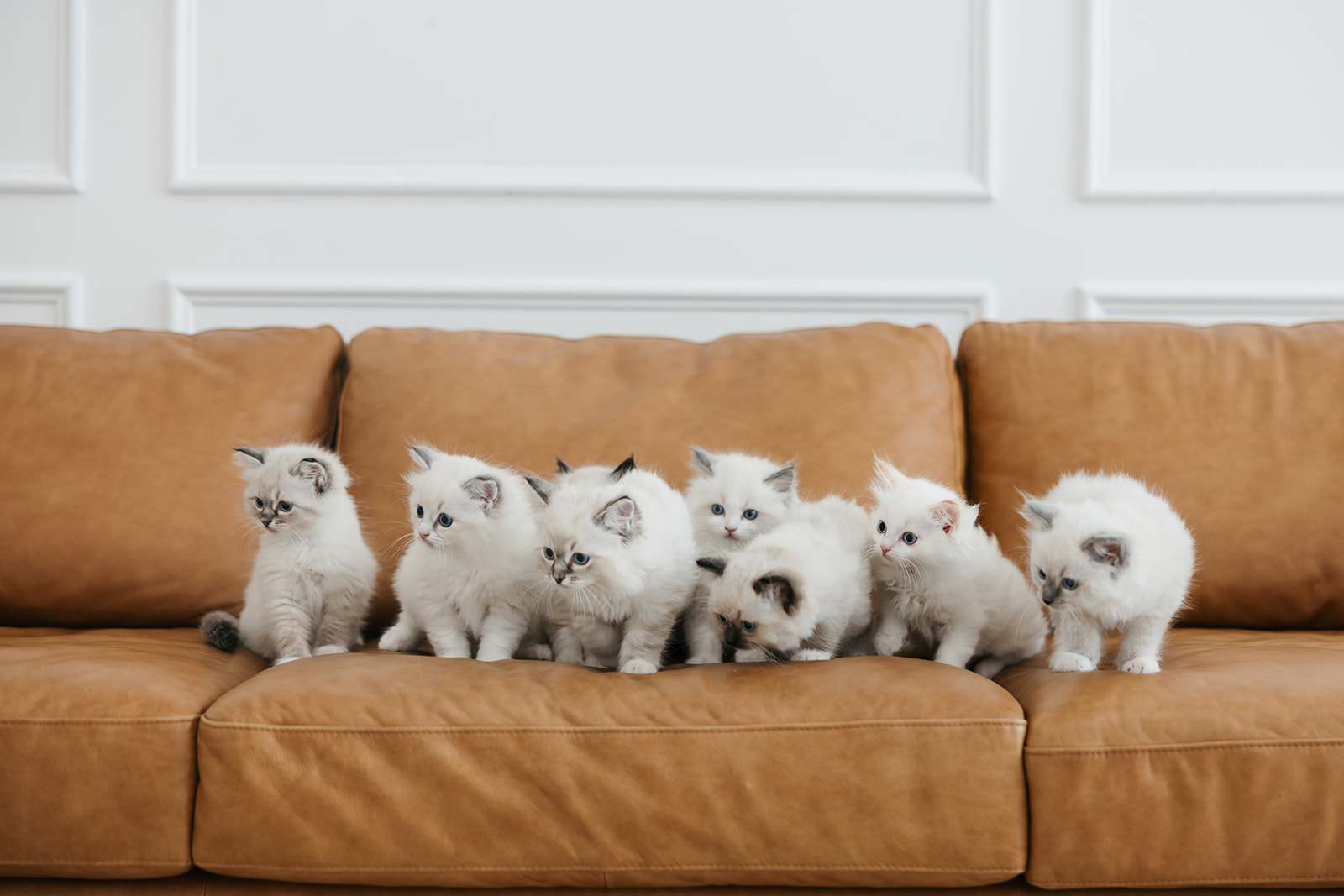
Finding the right Ragdoll breeder ensures a healthy, happy kitten and a smooth adoption experience. Here’s what you need to know upfront:
- Health Testing is Critical: Reputable breeders test for genetic conditions like HCM and PKD, ensuring your kitten has the best chance at a long, healthy life.
- Look for Certifications: Memberships in organizations like TICA or CFA signal ethical breeding practices.
- Clean, Caring Environment: Kittens should be raised in clean, loving homes – not overcrowded or unsanitary spaces.
- Health Guarantees: Responsible breeders provide contracts with clear health guarantees, covering genetic and congenital issues.
- Fair Pricing: Expect to pay $3,000–$5,000 for a well-bred Ragdoll. Be cautious of prices under $1,000 or offers that seem too good to be true.
- Ongoing Support: Ethical breeders stay connected, offering advice and guidance throughout your cat’s life.
Quick Tip: Ask about health tests, parent pedigrees, and socialization practices. A little research now can save you heartbreak later.
How To Find Reputable Ragdoll Breeders
What Makes a Good Ragdoll Breeder
A trustworthy Ragdoll breeder is defined by ethical practices and a strong commitment to the health and well-being of their cats. These breeders see their role as caretakers of the breed rather than simply running a business. Knowing how to distinguish responsible breeders from those focused solely on profit will help you choose the right companion. Below, we’ll explore the certifications, health protocols, and ethical practices that set reputable breeders apart.
Professional Certifications and Organization Memberships
Reputable Ragdoll breeders are often affiliated with respected cat organizations that enforce strict ethical guidelines. Two prominent groups to look for are TICA (The International Cat Association) and CFA (Cat Fanciers’ Association). Membership in these organizations reflects a breeder’s dedication to ethical breeding practices.
For instance, TICA requires its members to sign a Code of Ethics, which governs how breeders care for their cats and conduct their operations. As TICA explains:
"The TICA website is the only place where you can find TICA member breeders who have signed the TICA Code of Ethics."
Similarly, the CFA maintains high ethical standards for its members. According to the Cat Fanciers’ Association:
"It’s essential to establish a breeding program that adheres to the CFA’s strict guidelines and ethical standards."
Membership in additional groups like Responsible Pet Breeders (RPB) further demonstrates a breeder’s commitment to ethical practices. To verify these credentials, check the breeder’s name on the official websites of these organizations. Additionally, a quick online search of the breeder’s cattery name along with terms like "complaints" can help identify any red flags.
But certifications are just the beginning – health testing is another critical factor that separates reputable breeders from the rest.
Health Testing and Medical Guarantees
A responsible breeder prioritizes the health of their cats through thorough testing and clear medical guarantees. This goes well beyond routine veterinary care, encompassing genetic testing and full transparency with test results.
For example, conscientious breeders perform genetic screenings for conditions like HCM (Hypertrophic Cardiomyopathy), PKD (Polycystic Kidney Disease), FeLV (Feline Leukemia Virus), and FIV (Feline Immunodeficiency Virus).They also ensure their breeding cats are free of FeLV and FIV through veterinarian-conducted blood tests.
Health guarantees are another hallmark of a reputable breeder. Good breeders offer a 1-2 year genetic health guarantee against genetic diseases, as well as a 72-hour health guarantee covering FIV, FeLV, and other serious health issues.
These guarantees are typically outlined in detailed contracts, which include coverage specifics and timeframes, ensuring accountability on the breeder’s part.
Responsible Breeding Methods
Ethical breeders focus on the long-term health and happiness of their cats, shaping every aspect of their breeding practices – from how often cats are bred to how kittens are raised and socialized.
For instance, responsible breeders limit the frequency of breeding to protect the health of their female cats, treating them as family members rather than production animals. As veterinarian Jennifer Coates explains:
"Ethical, reputable, and responsible breeders work very hard to promote the well-being of the dogs or cats they sell and the overall welfare of their chosen breed."
Socialization is another key aspect. Reputable breeders keep kittens with their mothers and littermates for 12 weeks to help them develop essential social skills. During this time, kittens are gradually introduced to other pets, toys, and gentle human interactions to prepare them for their new homes.
Additionally, responsible breeders carefully screen potential buyers, asking about their living situations, experience with cats, and expectations for a new pet. This ensures the kitten is placed in a suitable environment and increases the likelihood of a successful match.
Perhaps most importantly, ethical breeders maintain lifelong relationships with their kitten buyers. Dr. Coates highlights this dedication:
"Good breeders will also be there for you throughout your pet’s life – answering questions and even taking back a dog or cat who isn’t working out, for whatever reason. Their commitment is for the lifetime of the pets they produce."
This ongoing support means you’ll always have access to expert advice on your Ragdoll’s health, behavior, and care, ensuring a rewarding experience for both you and your feline companion.
Questions to Ask Before Choosing a Breeder
Now that you know what to look for in a responsible breeder, it’s time to dig deeper. Asking the right questions can help you determine if a breeder genuinely cares about the cats’ well-being or sees them as just a business. These conversations also give you insight into their expertise and dedication to the Ragdoll breed.
Breeder Experience and Knowledge
Start by learning about the breeder’s background with Ragdolls. How long have they been working with this breed? What’s their breeding philosophy? Do they actively participate in cat shows or breed organizations? A passionate breeder should be able to talk about the breed’s traits and explain how they choose their breeding pairs.
Also, ask if they stay up-to-date on best practices. Are they involved in the broader cat community? This kind of participation shows they’re committed to improving their knowledge and breeding program.
Another key topic is their approach to breeding schedules. How often do they breed their cats, and when do they retire them? Responsible breeders prioritize the health of their cats by spacing out litters and ensuring the mother has time to recover.
Once you’ve got a sense of their experience and philosophy, shift your focus to the health and background of the kittens and their parents.
Kitten and Parent Cat Information
Ethical breeders should be transparent about the health and lineage of their cats. Ask for detailed documentation, including the parents’ pedigrees and health histories. A good question to ask is, "What health screenings and genetic tests do you perform on your breeding cats, and can you provide the results?" They should have no problem sharing this information.
Inquire about medical records for both the kittens and the parent cats. These records should include vaccination schedules and any treatments or medications the kittens have received. A breeder who keeps thorough records shows they’re attentive to their cats’ well-being.
Don’t forget to ask about socialization. How are the kittens handled during their early weeks? Are they exposed to different people, environments, and stimuli? Proper socialization helps ensure the kittens are confident and well-adjusted when they join their new families.
Pricing and What’s Included
Understanding the full cost is essential for planning your budget. Ask, "What does the purchase price include? Does it cover vaccinations, spaying/neutering, or starter supplies? Do you provide a written health guarantee?"
Ethical breeders often include services like vaccinations, microchipping, and spaying/neutering in the price.
You should also clarify payment terms. Is a deposit required to reserve a kitten? What happens if you need to cancel? Are there additional costs, such as shipping fees, if you’re not local to the breeder?
Lastly, ask about ongoing support. Will the breeder be available to answer questions after you bring your kitten home? Do they offer advice on feeding, training, or health concerns? The best breeders stay involved, acting as a resource throughout your cat’s life. This kind of support can make a big difference as your Ragdoll grows and thrives.
sbb-itb-c26662c
Warning Signs of Problem Breeders
Unfortunately, not all breeders have the best interests of Ragdolls at heart. Some focus more on profits than on the health and well-being of their cats. Spotting warning signs early can save you from heartbreak and unexpected vet bills down the road.
Avoiding Questions or Hiding Information
A trustworthy breeder will gladly answer your questions and provide detailed insights into their breeding practices and the health of their kittens. If a breeder hesitates or avoids sharing information, it’s a clear red flag. As Bayou Ragdolls puts it:
"A real breeder will be happy to talk to you, answer your questions and reassure you about their breeding practices and the health of their kittens. If you encounter any hesitation or communication barriers during the call then be cautious and consider it a red flag."
To verify a breeder’s legitimacy, check their cattery registration with organizations like TICA or CFA by contacting these groups directly. Cross-check their contact details with official records.
Excessively Low Prices
The price of a kitten can also reveal a lot about a breeder’s practices. Quality Ragdoll kittens come at a premium, and for good reason. As of 2025, you can expect to pay between $2,000 and $5,000 for a well-bred Ragdoll, with some prices even reaching $5,000+. Be cautious of kittens priced under $1,000. Such low prices often mean corners have been cut on health testing, vaccinations, or proper socialization.
Scammers are another concern. They’ll advertise kittens for as little as $400–$1,000, promise "free shipping" or doorstep delivery, and then disappear after receiving payment. Keep in mind that legitimate transportation within the U.S. usually costs between $500 and $1,000. Offers of nationwide free shipping should raise immediate suspicion.
How to Make Your Final Choice and Next Steps
Bringing a Ragdoll kitten into your life is an exciting journey, but it’s one that calls for thoughtful preparation and careful decision-making. From comparing breeders to preparing your home, every step matters in building a happy, lasting relationship with your new feline friend.
Comparing Different Breeders
Choosing the right breeder is a critical step. Start by looking into their transparency, health practices, and overall care standards.
Health testing should be your top priority. Confirm that breeders perform genetic screenings for HCM (hypertrophic cardiomyopathy) and PKD (polycystic kidney disease). Ask for written health guarantees and verify their registration with reputable organizations like TICA or CFA. You can check breeder credentials directly on these association websites.
Next, evaluate the environment where the kittens are raised. Ideally, they should grow up in a clean, loving home – not in a commercial facility. Ask about their socialization practices. Kittens should be exposed to positive interactions with people and other pets early on to ensure they grow into well-adjusted companions.
Trust your instincts during this process. Even if a breeder ticks all the boxes on paper, something may feel off during your interactions. Visiting cat shows can be a great way to meet breeders in person, observe their cats, and get a sense of their practices.
Look for breeders who prioritize the Ragdoll’s signature temperament – gentle, friendly, and laid-back. Ethical breeders often provide ongoing support even after the sale, so you’re not left navigating challenges alone. Once you’ve chosen a breeder, it’s time to gear up for your kitten’s arrival.
Getting Ready for Your Ragdoll Kitten
Preparation begins well before your kitten sets paw in your home. Start by setting up a small, cozy area equipped with essentials like food, water, a litter box, and toys. This safe space will help your kitten feel secure as they adjust to their new surroundings.
Kitten-proofing your home is another must. Tuck away cords, remove toxic plants, and eliminate other hazards that could tempt a curious kitten. Gather supplies such as high-quality kitten food, litter, bowls, toys, a scratching post, grooming tools, and a sturdy carrier. Catnip can be helpful for encouraging your kitten to use scratching posts instead of your furniture.
Plan a vet visit soon after bringing your kitten home. Avoid public places like pet stores until their vaccinations are complete to keep them safe from potential illnesses.
If your home is large or has multiple levels, consider setting up several litter boxes. To prevent accidents and ease litter training, keep your kitten confined to their safe area when you’re not around to supervise.
During the early days, limit visitors and keep the environment calm to reduce stress. If your kitten seems too anxious to eat, offering wet food can help them settle in. Remember, Ragdolls should always be kept indoors or supervised in secure spaces like a "catio" or on a harness. If you plan to leash train, start by getting your kitten comfortable with a vest indoors.
Address teething by providing safe chew toys, and always choose toys that are large enough to avoid choking hazards. Avoid anything with small parts or long strings.
Staying Connected with Your Breeder
Your relationship with a reputable breeder doesn’t end when you bring your kitten home. Keep in touch for ongoing guidance and support. Breeders can offer valuable advice on your Ragdoll’s behavior, health, and development.
Most breeders love receiving updates about their kittens and appreciate hearing how they’re doing. Sharing milestones and photos can help maintain a strong connection.
Keep your breeder’s contact information handy for any questions about feeding, grooming, or health concerns that might arise. They can also provide tips for introducing your Ragdoll to other pets or resolving behavioral challenges.
Consider joining social media groups or communities recommended by your breeder. These groups often provide a wealth of advice from other Ragdoll owners and access to helpful resources.
Lastly, organize and safeguard your kitten’s documents, including the contract, health guarantees, and registration papers. Familiarize yourself with your breeder’s policies on health issues, returns, or breeding rights. Staying in touch ensures your kitten’s health and happiness for years to come.
Conclusion: Setting Yourself Up for Success
Finding the right Ragdoll breeder is a decision that will shape your relationship with your cat for the next 12–15 years. Doing your homework now ensures that you’ll bring home a healthy, well-adjusted kitten and gain a trusted partner in your breeder.
Ethical breeders put a lot of effort into their work. They prioritize vet care, genetic testing, high-quality food, and proper socialization. These efforts directly result in kittens that are healthier and better prepared to integrate into your life as loving companions.
It’s important to understand that reputable breeders often charge higher fees, reflecting the significant costs involved in responsible breeding. This pricing supports the care and attention that goes into raising kittens the right way. Beyond the practicalities, trust your instincts when choosing a breeder.
"Ultimately, it is best to go with the breeder who you feel the most confident in and comfortable with".
Even if a breeder checks all the boxes on paper, your gut feeling matters. A trustworthy breeder will be open to your questions, transparent about their practices, and genuinely committed to the wellbeing of their cats.
The relationship with your breeder doesn’t end on adoption day. Staying in touch – whether it’s sharing updates on your Ragdoll’s milestones or seeking advice when needed – helps both you and the breeder. It also allows breeders to track the success of their programs and make improvements for future litters.
Your Ragdoll’s health, temperament, and overall happiness start with the foundation laid by their breeder. By choosing someone who values genetic health, proper socialization, and ethical practices, you’re setting yourself up for years of joy and companionship. The time you spend researching and selecting the right breeder is an investment in your future with your cat.
"If you’re confident the breeder checks most of these boxes, then you have found a reputable breeder".
Take the time to ask thoughtful questions, and choose a breeder who shares your commitment to raising a healthy, happy Ragdoll. Your future furry friend – and your family – will thank you for making this informed choice.
FAQs
What should I ask a breeder to ensure their Ragdolls undergo proper health testing?
When talking to a breeder, make sure to ask if they screen for common genetic conditions in Ragdolls, like hypertrophic cardiomyopathy (HCM) and polycystic kidney disease (PKD). Don’t hesitate to request proof, such as veterinary records or genetic testing results. It’s also worth discussing their overall health screening methods – how they check for inherited issues and maintain the long-term well-being of their cats.
You should also inquire about the health history of the kitten’s parents and whether the breeder offers a written health guarantee. Breeders who are trustworthy will be open about their practices and willing to address any questions you have.
How can I confirm if a breeder is a member of trusted organizations like TICA or CFA?
To verify if a breeder is a member of respected organizations like TICA (The International Cat Association) or CFA (Cat Fanciers’ Association), you can consult their official breeder directories. These directories include breeders who adhere to the organization’s guidelines and maintain good standing.
Additionally, don’t hesitate to ask the breeder directly for proof of membership or certification. A trustworthy breeder will be open and ready to share this information to demonstrate their credibility.